
Harness Racing is a form of horse racing where horses compete while pulling a two-wheeled sulky driven by a seated driver. The sport is defined by a restricted gait requirement, standardized track layouts, and wagering pools that resemble other pari-mutuel racing products. Because results are determined by finishing order and margin over a short distance, market pricing is strongly influenced by gate position, early pace control, and the ability of a horse to maintain its gait under pressure.
Harness Racing is typically contested on oval tracks with distances that can vary by jurisdiction, but many events are run around one mile. The combination of frequent race cards, consistent track geometry, and detailed form data supports a wide selection of betting markets, from straightforward win wagering to multi-leg pool bets. Understanding rules, common race types, and settlement definitions helps clarify how outcomes are recorded and how wagers are graded. Make sure to follow bet88 so you never miss out on any updates!
What Defines Harness Racing Compared With Flat Racing
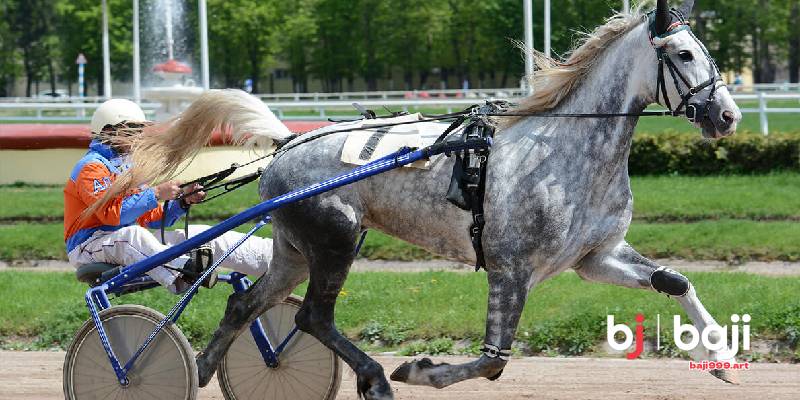
Harness Racing differs from flat racing primarily through the use of a sulky and the requirement that horses race at a specified gait. Rather than being ridden by a jockey, the horse is driven, and tactics revolve around positioning, drafting, and lane management on turns. Race starts are generally organized behind a moving starting gate, which creates a structured run-up and reduces the chaotic break patterns that can appear in some other racing formats.
The gait requirement is central. A horse must remain at its designated gait throughout the race. If the horse breaks gait, the driver is generally required to take corrective action and may lose ground while regaining stride. Because a break can alter finishing chances quickly, gait reliability is a key form factor in Harness Racing and is often emphasized in past performance notes.
Track surface and configuration also shape outcomes. Many Harness Racing tracks are dirt or all-weather surfaces with standardized turns. The oval geometry encourages position battles on the first turn and creates repeated tactical patterns, including the importance of the lead, the pocket trip, and the timing of a first-over move.
Gaits Pace And Trot Race Requirements
Harness Racing is most commonly divided into two gait categories: pacing and trotting. In pacing events, the horse moves laterally, with legs on the same side moving in unison. In trotting events, the horse moves diagonally, with opposite legs moving together. These gait patterns affect speed, stability, and the likelihood of breaks, which in turn affects how races develop.
Pacers are generally associated with faster average times and fewer breaks, while trotters can show greater variability due to gait maintenance. These are tendencies rather than guarantees, but they help explain why some tracks and classes produce different distributions of margins and finish styles. In Harness Racing, a clean trip with sustained gait consistency often matters as much as raw speed, particularly in competitive fields where positioning is contested early.
Rules for breaking gait vary by jurisdiction, but common principles include the obligation to correct promptly, not gain an advantage while off gait, and avoid interference. Disqualification, placement, or time penalties can apply depending on the severity and whether other competitors were affected. These rule outcomes are relevant to wagering settlement, since official results may be adjusted after an inquiry.
Race Starts Positions And Common Trip Patterns
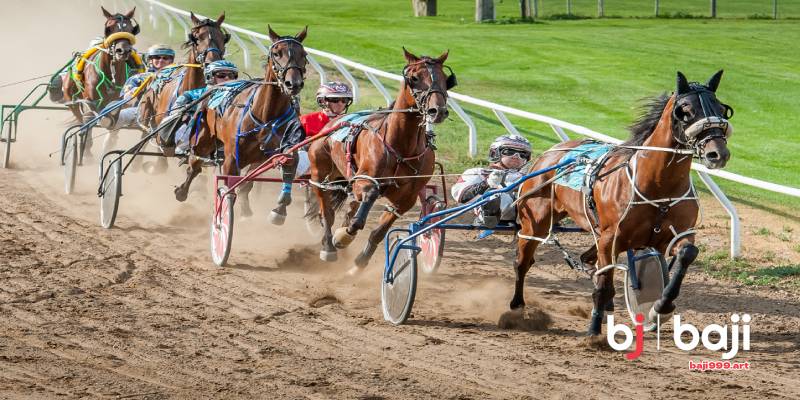
Most Harness Racing events use an autostart with a mobile starting gate. Horses line up behind the gate’s wings as it accelerates to racing speed. When the gate folds away, the race is underway. The start has immediate tactical importance because horses drawn toward the inside can protect position with less distance traveled, while outside draws may require early speed or a tuck-in strategy to avoid being parked wide.
Post position influence is often more pronounced on smaller tracks with tighter turns, where outside posts can face a longer first turn path. Larger tracks can reduce this effect, but inside placement often remains valuable due to reduced ground loss. Track bias can also matter. Some surfaces or weather conditions can favor speed, while others may allow closers to sustain a wider rally.
Trip patterns in Harness Racing are commonly described with terms that reflect position and cover:
- On the lead: controlling pace from the front
- In the pocket: sitting behind the leader with a protected inside trip
- First over: advancing without cover on the outside, absorbing more effort
- Second over: advancing behind another horse, benefiting from cover
- Three wide: racing outside two lines of horses, typically higher energy cost
Because these trips affect energy expenditure, past performance lines often note whether a horse was parked, had cover, or benefited from a perfect inside run. In Harness Racing, interpreting these trip notes can be as important as reading the final time or margin.
Equipment Drivers And Class Structure
Harness Racing performance is shaped by both the horse and the driver. Drivers make tactical decisions on pace, positioning, and when to move. Driver changes can therefore be meaningful in form evaluation, especially when a more aggressive or more conservative style aligns better with a horse’s strengths.
Equipment is also relevant. Common items include hopples (often used by pacers to support gait consistency), shoes that can be adjusted for traction and efficiency, and headgear that can influence focus. Equipment changes are often noted because they may affect early speed, gait stability, or finishing response. In regulated environments, reporting requirements can mandate that certain changes be disclosed before the race.
Class structure in Harness Racing is typically organized around earnings conditions, claiming levels, or stakes categories. Lower-level claiming events may feature frequent movement between classes, while stakes events can include highly specialized competitors. A move up in class can reduce winning probability even if recent finishes are strong, while a class drop can improve prospects even with moderate recent form.
Bet Types Pools And How Odds Are Formed
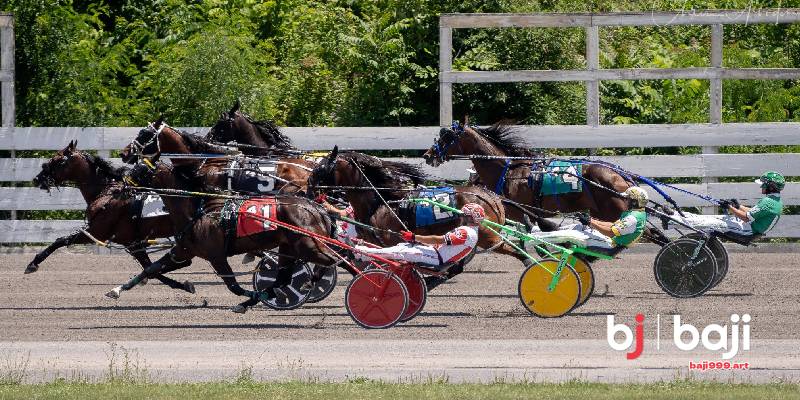
Harness Racing wagering is commonly offered through pari-mutuel pools, where odds are determined by the distribution of stakes placed by the public rather than being fixed by a sportsbook in advance. The final odds are generally known at post time when betting closes and the pool is finalized, though approximate odds may be visible during the betting window.
Common pool bets in Harness Racing include straight wagers and combination wagers:
| Wager Type | What It Requires | Typical Risk Level |
| Win | Select the winner | Lower |
| Place | Select a top finisher, usually top 2 | Lower |
| Show | Select a top finisher, usually top 3 | Lower |
| Exacta | Select the first two finishers in order | Medium |
| Trifecta | Select the first three finishers in order | Higher |
| Superfecta | Select the first four finishers in order | Higher |
| Daily Double | Select winners of two consecutive races | Medium |
| Pick 3 or Pick 4 | Select winners across multiple consecutive races | Higher |
Pool size matters because it influences payout stability. In smaller pools, a single large wager can move the odds meaningfully. In larger pools, odds tend to be more stable but can still shift late as final money enters. This structure means Harness Racing prices are often most reliable at the close, while earlier displayed odds should be treated as provisional.
Live Factors That Move Results Pace Bias And Race Flow
Harness Racing outcomes are frequently shaped by pace scenarios. A slow early pace can advantage front-runners and pocket sitters, while a fast early pace can set up closers if the leaders tire. The pace picture is influenced by post positions, driver intent, and whether multiple horses seek the lead. When several competitors leave aggressively, the first quarter can be faster, increasing the chance of midrace pressure and late reshuffling.
Track bias can also influence results. Some nights favor inside paths, while others allow wide rallies if the surface is consistent across lanes. Weather can change traction and can increase the frequency of breaks, especially for trotters. In Harness Racing, the combination of surface condition and class level can meaningfully affect how forgiving the track is for horses that struggle with gait stability.
Race flow also matters because of cover and drafting. Horses that advance first over without cover often expend more energy than those that track second over and angle out late. This can create recurring results where a horse posts a strong effort while finishing off the board due to trip difficulty. Those lines are often used to interpret whether a result was better than it appears in the final placing, a common approach within Harness Racing form reading.
Settlement Rules Inquiries And Integrity Controls
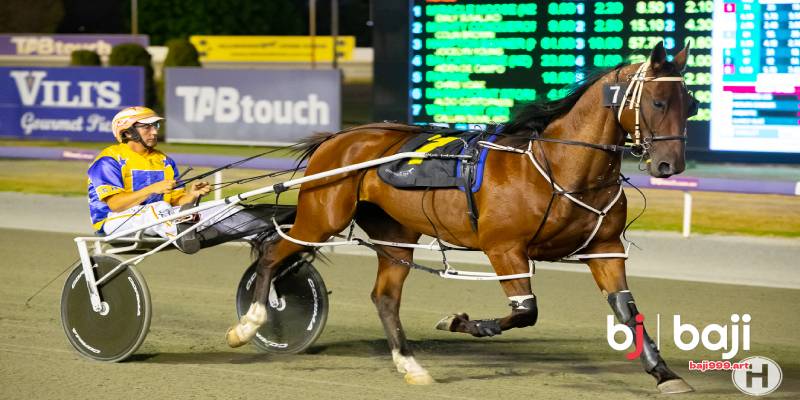
Harness Racing is settled on official results, which can be posted after a brief review period. Inquiries and objections can occur when interference, breaking gait, or lane violations are suspected. If a placing is changed, payouts are adjusted according to the revised official order. This makes the phrase “official” important, since preliminary first-place finishes may be amended.
Non-starters and scratch rules can also affect settlement. A horse scratched before the start is generally removed from pools, and bets may be refunded or recalculated depending on wager type and house rules. Late scratches can change field size, which can alter whether show wagering is offered and can influence exotic payouts by changing combination counts.
Integrity controls typically include equipment reporting, veterinary oversight, drug testing policies, and standardized steward or judge reviews. While implementation varies by jurisdiction, these systems are designed to preserve confidence that Harness Racing results reflect competition under published rules and that the official order is determined transparently.
Harness Racing Coverage And Access Within BAJI999
Harness Racing can be presented most effectively when race cards clearly display post positions, distance, class conditions, and wager menus that separate straight pools from exotics and multi-leg bets. Within baji999, Harness Racing coverage is supported by structured race listings, transparent settlement on official results after inquiries, and readable market organization that highlights win-place-show alongside exacta, trifecta, and multi-race pools. This approach frames the category as a reliable racing option by keeping rule context, pool-based pricing behavior, and settlement notes accessible throughout the wagering flow.

Đỗ Danh Thiên CEO BET88 là nhà lãnh đạo tài năng sinh năm 1985, tốt nghiệp Thạc sĩ Tài chính Singapore. Đỗ Danh Thiên khởi nghiệp năm 2010, ông đã xây dựng BET88 thành nhà cái hàng đầu châu Á với doanh thu 85 triệu USD, sở hữu giấy phép MGA và UKGC quốc tế. Với 2,3 triệu người dùng và 12 giải thưởng quốc tế, CEO Đỗ Danh Thiên được vinh danh “CEO of the Year” 2023, đang dẫn dắt BET88 IPO Singapore năm 2025.
Thông tin liên hệ:
Đỗ Danh Thiên
Website: https://bet88casino.site/ceo-do-danh-thien/
Phone: 0957608664
Địa chỉ: 47 Đ.Nguyễn Thanh Tuyền, Phường 2, Tân Bình, Hồ Chí Minh, Việt Nam
Map: https://www.google.com/maps?cid=12362990226802524665
Email: [email protected]
#bet88 #do_danh_thien #ceo_bet88 #ceo_do_danh_thien_bet88 #ceo_do_danh_thien